Not Every Toothache Needs a Root Canal
Tooth pain is one of the most common reasons people visit a dental clinic. But contrary to popular belief, not every painful tooth automatically requires Root Canal Treatment.
Sometimes the problem is a simple cavity. In other cases, it may be gum inflammation, bite pressure, sensitivity, or even a cracked tooth. This is why proper diagnosis becomes one of the most important parts of modern dental care.
At Dr. Akshay’s DentAvenue in Chembur, Mumbai, every treatment begins with understanding the root cause of the problem first—not simply treating symptoms. Our goal is always to preserve natural teeth whenever possible while eliminating infection safely and effectively.
Understanding how dentists diagnose tooth infections can help patients feel calmer, more informed, and more confident when discussing Root Canal Treatment.
What Exactly Is a Root Canal Treatment?
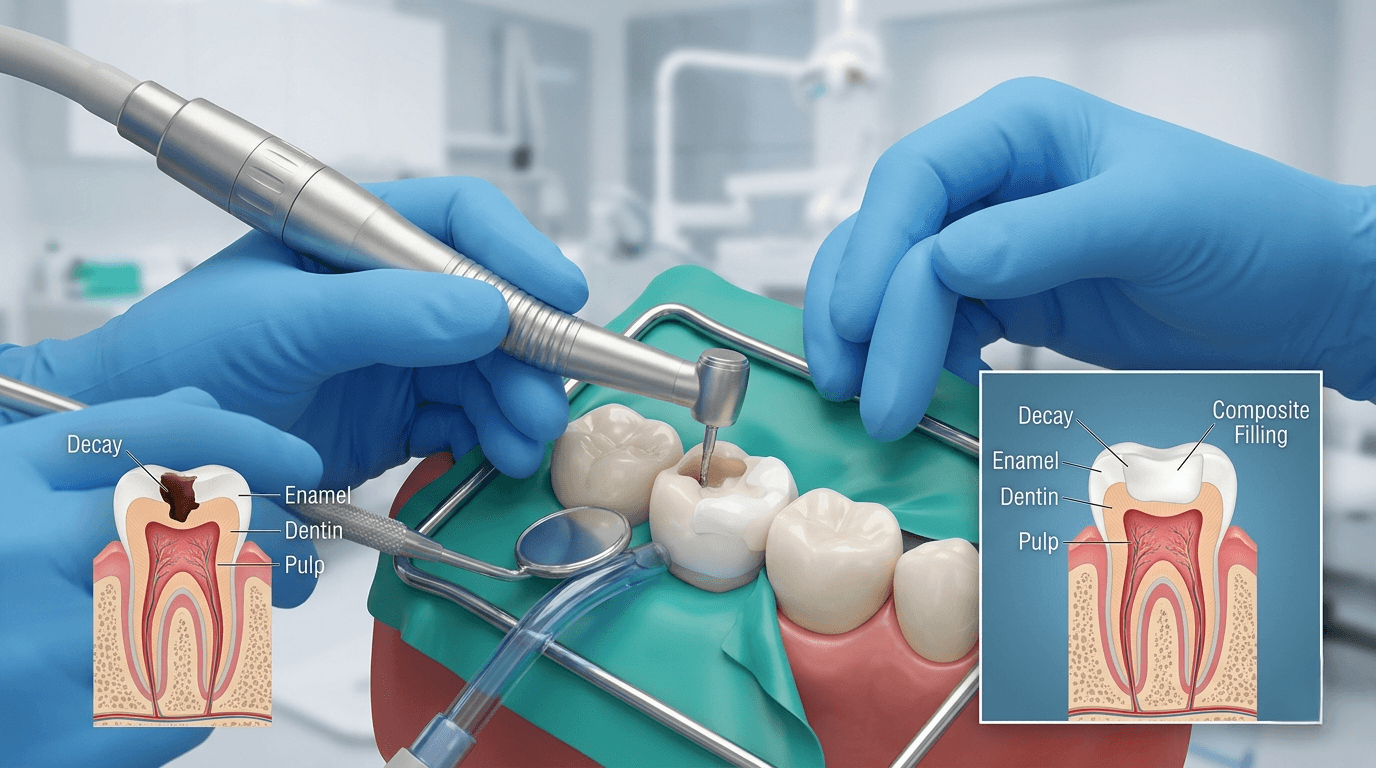
Inside every tooth lies a soft tissue called the dental pulp. This pulp contains nerves, blood vessels, and connective tissues that keep the tooth alive during development.
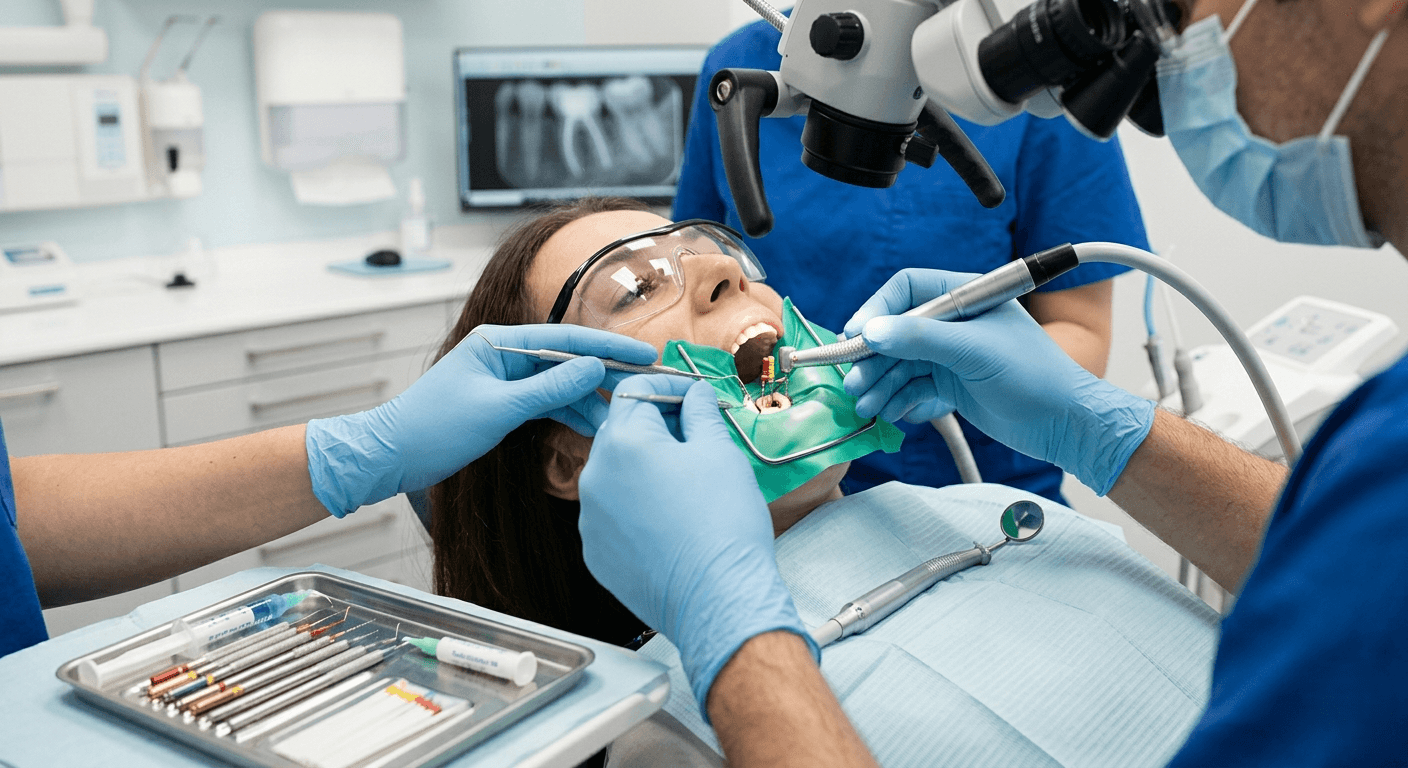
When bacteria enter the pulp due to deep decay, cracks, trauma, or repeated dental procedures, the nerve tissue becomes inflamed or infected. Root Canal Treatment is a specialized procedure used to remove this infected tissue, disinfect the tooth internally, and seal it to prevent future infection.
Modern root canal therapy is designed to save natural teeth while relieving pain and restoring normal function comfortably.
Why Accurate Diagnosis Matters Before Root Canal Treatment
Many dental conditions can produce similar symptoms. A patient may experience sensitivity, discomfort, or swelling for multiple reasons.
Without proper diagnosis, treating the wrong condition could lead to continued pain, worsening infection, or unnecessary procedures.
Tooth decay
Gum infections
Tooth fractures or cracks
Teeth grinding pressure
Jaw alignment problems
Nerve inflammation
Dental abscess formation
That is why dentists use multiple diagnostic methods before recommending Root Canal Treatment.
How Dentists Diagnose Tooth Infections
Clinical Dental Examination
The first step involves carefully examining the affected tooth and surrounding gums. Dentists look for visible cavities, swelling, discoloration, cracks, gum tenderness, or signs of infection.
Sometimes a darkened tooth may indicate nerve damage inside the tooth even when no visible cavity exists.
Digital Dental X-Rays
Advanced digital X-rays help dentists evaluate the internal structure of the tooth and surrounding bone. They reveal whether decay has reached the pulp, if infection is spreading near the root tip, or if bone loss has started developing.
At DentAvenue, digital imaging technology allows highly precise diagnosis while minimizing radiation exposure.
Hot & Cold Sensitivity Tests
Dentists often evaluate how the tooth reacts to temperature changes. Healthy nerves respond briefly, while infected nerves may cause sharp lingering pain even after the stimulus is removed.
Prolonged sensitivity to hot tea, coffee, or cold water often becomes an important sign of pulp infection.
Percussion & Bite Tests
Gentle tapping or bite-pressure tests help identify inflammation around the tooth root and surrounding ligament structures. Pain during chewing or tapping may indicate infection extending beyond the tooth.
When Dentists Recommend Root Canal Treatment
After diagnosis, dentists may recommend Root Canal Treatment in several situations where preserving the natural tooth remains possible.
Deep Tooth Decay
When cavities remain untreated for a long time, bacteria penetrate deeper through enamel and dentin layers until reaching the pulp tissue.
At this stage, a simple filling is no longer enough because the infection exists inside the nerve tissue itself.
Cracked or Fractured Teeth
Even small cracks can allow bacteria to enter the inner portion of the tooth. Over time, this may lead to inflammation or infection of the pulp.
Root canal therapy helps remove the infected tissue while preserving the remaining tooth structure.
Dental Trauma or Injury
Sports injuries, falls, or accidents may damage the nerve internally even when the tooth appears normal externally.
In some cases, the nerve gradually dies over time after trauma, eventually leading to discoloration or infection.
Repeated Dental Procedures
Teeth that undergo multiple restorations or repeated procedures may develop internal inflammation due to ongoing irritation or weakening.
When inflammation becomes irreversible, Root Canal Treatment may be necessary to save the tooth.
Why Dentists Prefer Saving Natural Teeth
Modern dentistry strongly focuses on preserving natural teeth whenever possible because natural teeth function more efficiently than artificial replacements.
Removing a tooth may create gaps that affect chewing, smile aesthetics, bite alignment, and jawbone stability. Neighboring teeth may gradually shift into empty spaces, causing additional complications.
Root Canal Treatment allows dentists to remove infection while preserving your original tooth structure and natural bite.
What Happens If Tooth Infection Is Ignored?
Dental infections rarely disappear on their own. Ignoring symptoms can allow bacteria to spread deeper into surrounding tissues and bone.
Severe tooth pain
Facial swelling
Gum abscess formation
Difficulty chewing
Jawbone damage
Spread of infection to nearby tissues
Early diagnosis and timely treatment help prevent serious complications while increasing the chances of saving the tooth successfully.
Life After Root Canal Treatment
After the procedure, the treated tooth is usually restored with a filling or crown to strengthen and protect it.
With proper oral hygiene and routine dental care, root canal treated teeth can last for decades and continue functioning normally.
Brush twice daily
Floss regularly
Visit DentAvenue for routine checkups
Avoid chewing extremely hard objects
Address new dental problems early
At Dr. Akshay’s DentAvenue, we provide expert gum disease treatment and professional scaling to restore your gum health and stop bleeding effectively.
At Dr. Akshay’s DentAvenue, we understand that many patients associate root canals with fear or anxiety. Our approach focuses on education, comfort, and modern painless dentistry.
Led by Dr. Akshay Bandewar and Dr. Saudnya, our clinic combines advanced diagnostic technology with patient-centered care to ensure highly precise and comfortable treatment experiences.
From digital imaging and rotary endodontics to full smile rehabilitation, every treatment at DentAvenue begins with understanding your story first.
Frequently Asked Questions
Conclusion
Root Canal Treatment is recommended only when infection or damage reaches the inner pulp of the tooth. Proper diagnosis plays a crucial role in determining whether the tooth can be treated conservatively or requires advanced treatment.
At Dr. Akshay’s DentAvenue in Chembur, Mumbai, our goal is always to preserve natural smiles whenever possible using modern, patient-friendly dental care.
If you are experiencing persistent tooth pain, sensitivity, swelling, or discomfort while chewing, schedule a consultation with our team and allow us to help protect the next chapter of your smile.