Every Tooth Pain Has a Story
A small toothache rarely stays small forever. What begins as slight sensitivity while drinking cold water can gradually turn into sleepless nights, throbbing pain, swelling, and difficulty eating comfortably. Many people delay visiting the dentist hoping the pain will disappear naturally—but tooth infections rarely heal on their own.
At Dr. Akshay’s DentAvenue in Chembur, we often meet patients who ignored early symptoms for weeks or months until the pain became unbearable. The good news is that modern Root Canal Treatment can save your natural tooth safely, comfortably, and often completely pain-free.
Understanding the warning signs early can help prevent severe infections, abscess formation, bone damage, and tooth loss. More importantly, timely treatment helps preserve your smile, confidence, and oral health before complications become serious.
What Exactly Is a Root Canal Treatment?
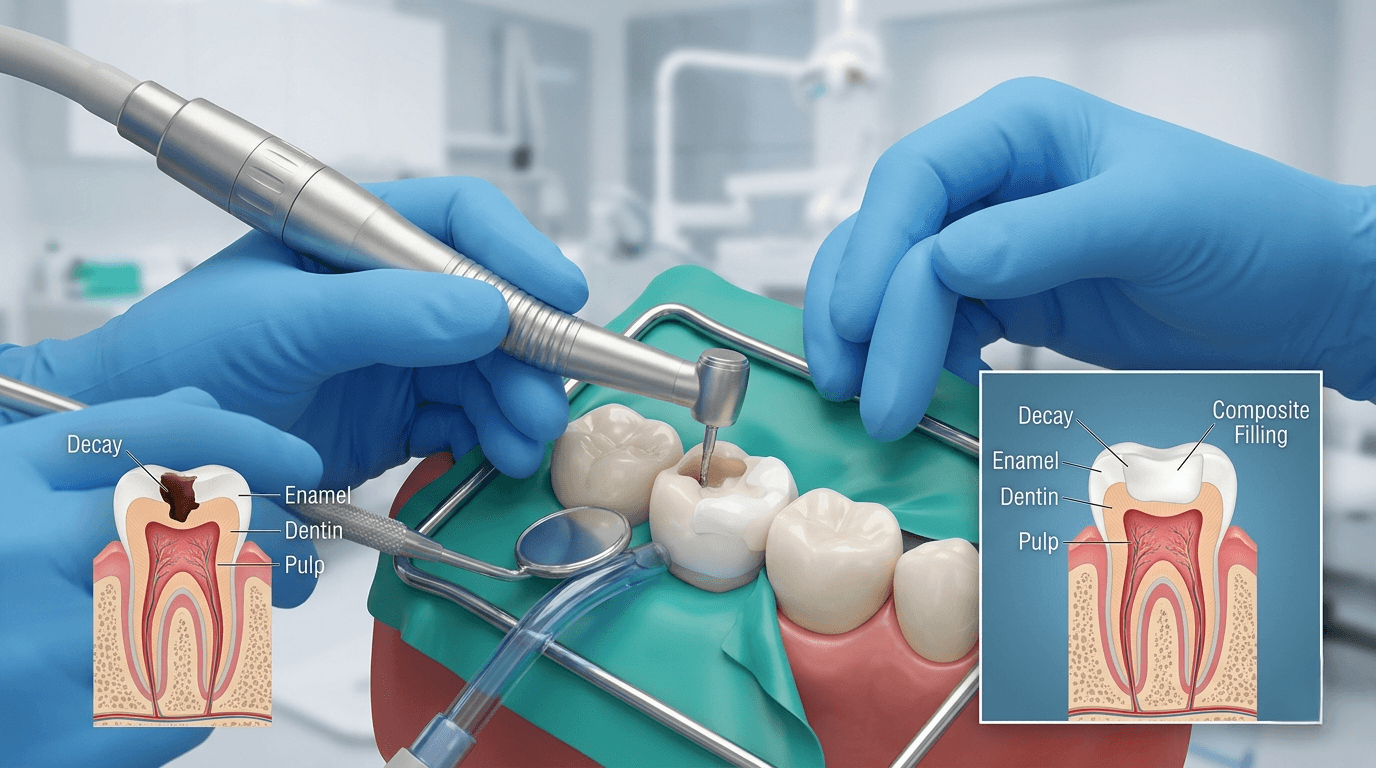
Inside every tooth lies a soft tissue called the dental pulp. This pulp contains nerves, blood vessels, and connective tissues that keep the tooth alive during its development. However, when deep decay, cracks, trauma, or bacterial infection reach this inner layer, the pulp becomes inflamed or infected.
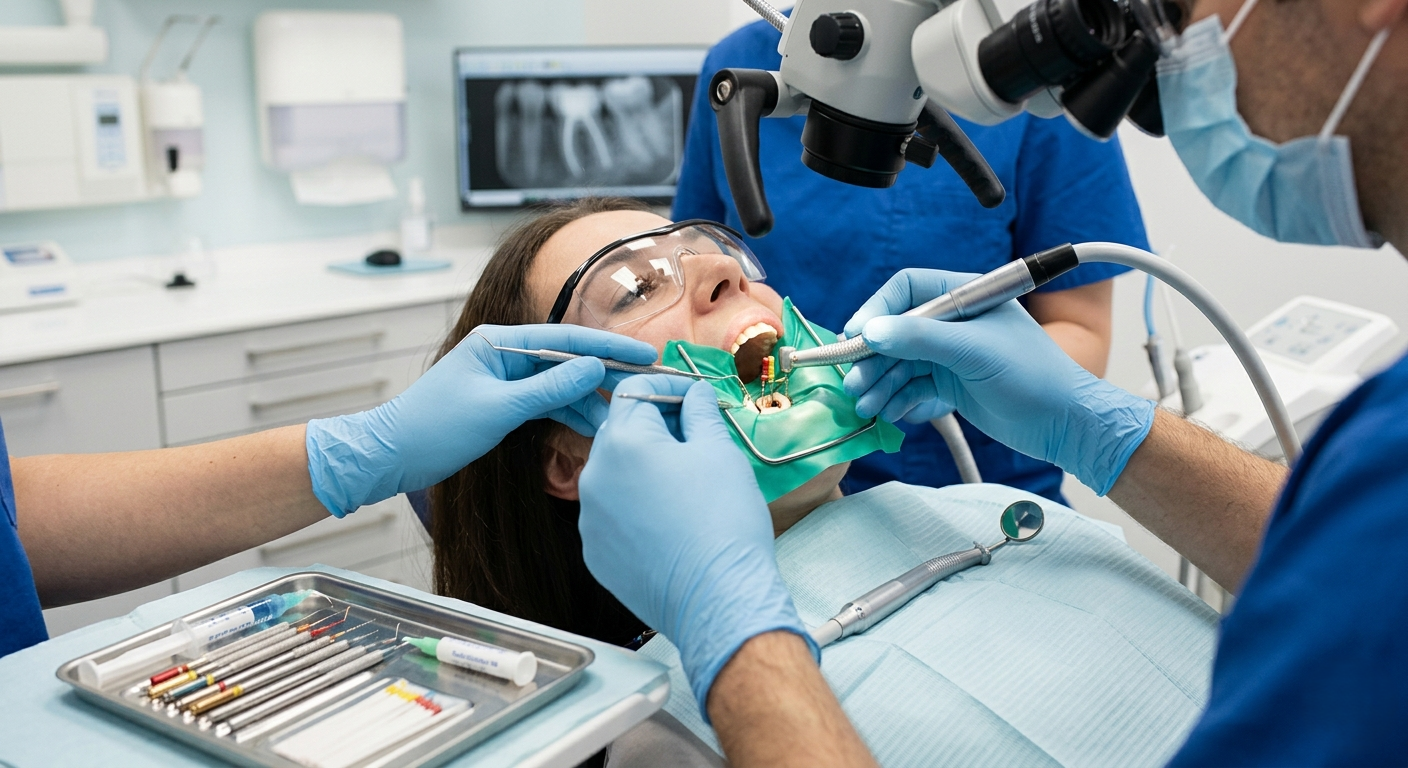
Root Canal Treatment (RCT) is a specialized dental procedure designed to remove the infected pulp, disinfect the inner canals of the tooth, and seal it to prevent reinfection. Once treated, the tooth is restored using a filling or crown, allowing you to continue using your natural tooth comfortably for many years.
Contrary to common myths, modern root canal procedures are not painful. In fact, the treatment is what relieves the severe pain caused by infection.
Cavity vs Root Canal Infection: Understanding the Difference
Not every toothache requires a root canal. A minor cavity affects only the outer enamel and dentin layers of the tooth and can usually be treated with a simple filling.
However, when decay remains untreated for a long time, bacteria travel deeper into the tooth and infect the pulp tissue. Once the nerve becomes infected, a filling alone is no longer enough. At this stage, Root Canal Treatment becomes essential to save the tooth and stop the infection from spreading.
Common Reasons Why Teeth Become Infected
Deep untreated cavities that reach the nerve
Cracked or fractured teeth allowing bacteria inside
Old leaking dental fillings
Repeated dental procedures on the same tooth
Sports injuries or accidental trauma
Severe teeth grinding causing microscopic cracks
Gum infections spreading to the tooth root
7 Major Warning Signs You May Need a Root Canal
Persistent Tooth Pain: Continuous throbbing pain that may spread to the jaw, ear, temple, or neck.
Long-Lasting Sensitivity: Sharp pain after consuming hot tea, coffee, ice cream, or cold water that lingers for several seconds.
Pain While Chewing: Discomfort or pressure while biting indicates inflammation around the root tip.
Swollen Gums: Puffy, tender, or swollen gums around one specific tooth.
Darkening of the Tooth: A gray, brown, or dark yellow tooth may indicate internal nerve damage.
Pimple or Abscess on the Gums: Small pus-filled bumps with a foul taste or smell often indicate severe infection.
Recurring Toothache: Pain that disappears temporarily and returns repeatedly with increased intensity.
Why You Should Never Ignore Dental Infection Symptoms
Dental infections do not remain localized forever. If left untreated, bacteria can spread deeper into the jawbone, surrounding tissues, and bloodstream. What initially feels like a manageable toothache may eventually lead to facial swelling, severe abscesses, bone loss, fever, or tooth extraction.
At DentAvenue, we strongly believe early intervention always saves more than just teeth—it saves patients from unnecessary pain, expensive future treatments, and long-term complications.
What Happens During a Root Canal Procedure?
Digital Diagnosis: Advanced digital X-rays help evaluate the depth of infection.
Local Anesthesia: The area is completely numbed for a comfortable experience.
Infection Removal: The infected pulp tissue is carefully removed.
Canal Cleaning & Shaping: Specialized instruments disinfect the inner canals.
Canal Sealing: The canals are sealed with biocompatible material.
Tooth Restoration: A dental crown is usually placed to strengthen and protect the tooth.
Root Canal vs Tooth Extraction: Which Is Better?
Saving your natural tooth is almost always the best option whenever possible. Tooth extraction creates gaps that affect chewing efficiency, smile aesthetics, and jawbone health.
Replacing a missing tooth later with implants or bridges often costs significantly more than saving the natural tooth with Root Canal Treatment. Preserving your original tooth also maintains natural bite alignment and jaw strength.
How DentAvenue Makes Root Canal Treatment Comfortable
At Dr. Akshay’s DentAvenue, patient comfort comes first. Many patients visit us with fear because of old myths surrounding root canals. Our approach focuses on painless dentistry, clear communication, modern technology, and gentle care.
Using advanced digital imaging, precision instruments, rotary endodontics, and magnification systems, we ensure highly accurate treatment with minimal discomfort. Our goal is not just treating teeth—it is rebuilding confidence and restoring peace of mind.
What to Eat After Root Canal Treatment
Soft foods like khichdi, yogurt, smoothies, mashed potatoes, and soups
Avoid chewing from the treated side initially
Avoid sticky candies and hard foods
Stay away from extremely hot or cold foods for a few days
Drink plenty of water and maintain oral hygiene carefully
Recovery and Long-Term Success
Most patients resume normal activities within 24 hours after treatment. Mild soreness is common for a day or two but usually manageable with prescribed medication.
With proper oral hygiene, regular dental checkups, and timely crown placement, a root canal treated tooth can last for decades—or even a lifetime.
Tips to Prevent Future Root Canal Problems
Brush twice daily using fluoride toothpaste
Floss regularly to remove plaque between teeth
Visit DentAvenue every 6 months for professional cleanings
Treat cavities early before they reach the nerve
Avoid excessive sugary snacks and acidic beverages
Wear mouthguards during sports activities
Address teeth grinding issues immediately
Why Patients Trust Dr. Akshay’s DentAvenue
Located in the heart of Chembur, Mumbai, DentAvenue is known for advanced dental care delivered with empathy and precision. Led by Dr. Akshay Bandewar and Dr. Saudnya, our clinic combines modern technology with compassionate care to create comfortable dental experiences for every patient.
From routine dental treatments to advanced Full Mouth Rehabilitation and Smile Design, every treatment at DentAvenue begins with listening to your concerns and understanding your story.
Frequently Asked Questions
Conclusion
Your body always gives warning signs before a serious dental problem develops. Persistent tooth pain, swelling, sensitivity, or discoloration should never be ignored.
At Dr. Akshay’s DentAvenue, we believe every smile deserves a second chance. Timely Root Canal Treatment can eliminate pain, stop infection, and preserve your natural smile for years to come.
If you are experiencing any symptoms of dental infection, schedule a consultation with our team in Chembur today and take the first step toward lasting relief and confident smiling.