Sometimes Removing a Tooth Is the Best Way to Protect Your Oral Health
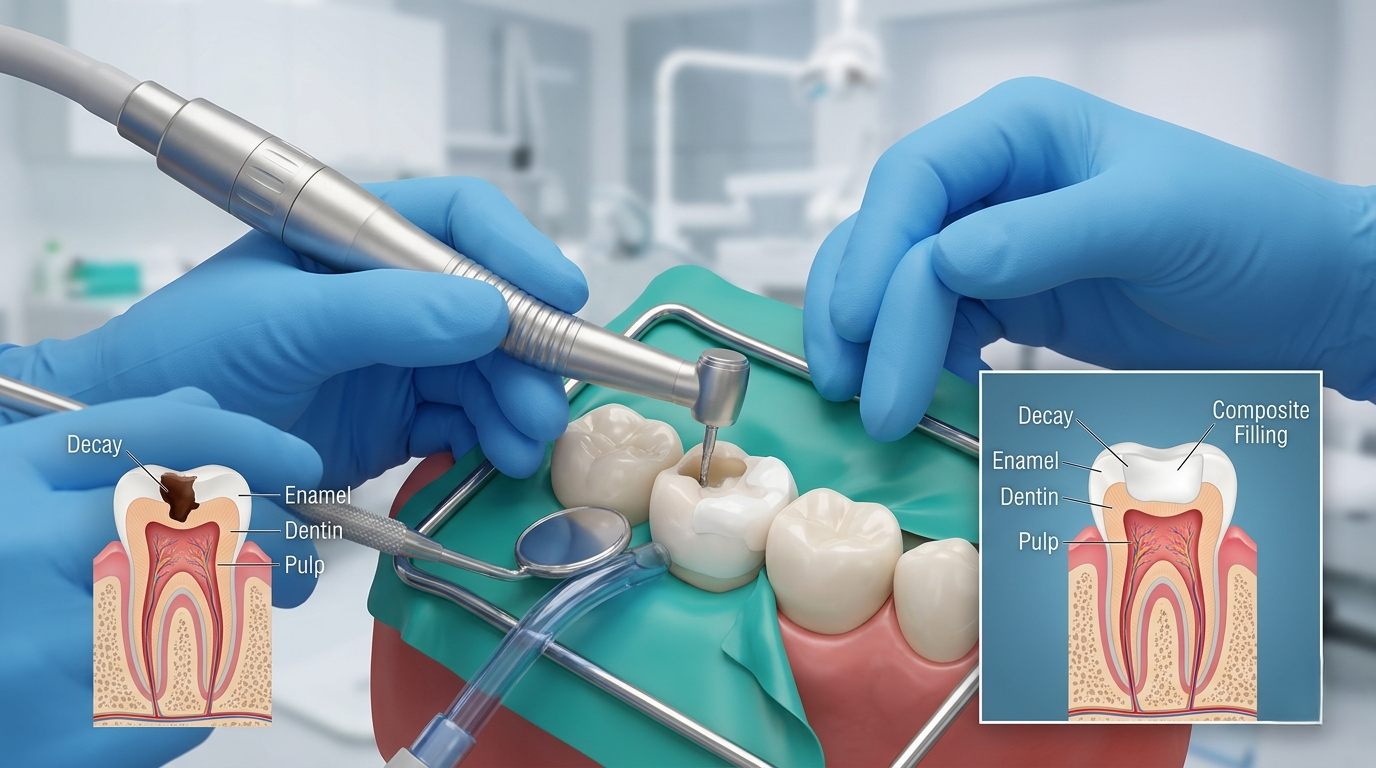
Modern dentistry always focuses on preserving natural teeth whenever possible. Treatments such as fillings, crowns, Root Canal Therapy, and gum care can successfully save many damaged teeth.
However, in some situations, a tooth becomes too severely damaged, infected, loose, or problematic to repair safely. In such cases, tooth extraction may become the healthiest solution to protect surrounding teeth, gums, jawbone health, and overall oral comfort.
At Dr. Akshay’s DentAvenue in Chembur, Mumbai, we understand that the idea of removing a tooth can feel emotionally stressful for many patients. Our approach focuses on detailed diagnosis, gentle treatment techniques, and personalized aftercare to ensure safe and comfortable healing.
Understanding when tooth extraction becomes necessary and how recovery works can help patients feel more informed and confident about treatment decisions.
What Is Tooth Extraction?
Tooth extraction is a dental procedure in which a tooth is carefully removed from its socket in the jawbone.
Dentists recommend extraction when a tooth can no longer function properly or when keeping the tooth may lead to pain, infection, crowding, or damage to surrounding oral structures.
Modern extraction procedures are performed using advanced anesthesia techniques and minimally invasive methods designed to maximize patient comfort and reduce recovery time.
Common Reasons Why Tooth Extraction Becomes Necessary
Several dental conditions may eventually require removal of a tooth to preserve overall oral health.
Severe tooth decay beyond repair
Advanced gum disease causing loose teeth
Impacted wisdom teeth
Deep dental infections
Broken or fractured teeth
Orthodontic crowding before braces or aligners
Trauma-related tooth damage
Failed restorations that cannot be repaired
Types of Tooth Extraction Procedures
There are two primary categories of dental extraction procedures depending on the position and condition of the tooth.
Simple Tooth Extraction
Simple extraction is performed when the tooth is fully visible above the gum line and can be removed without surgical access.
The dentist gently loosens the tooth using specialized instruments before carefully removing it from the socket. Local anesthesia ensures the procedure remains comfortable.
Simple extractions are commonly recommended for:
Severely decayed teeth
Loose teeth due to gum disease
Baby teeth that fail to fall naturally
Teeth damaged beyond restoration
Surgical Tooth Extraction
Surgical extraction becomes necessary when the tooth cannot be accessed easily or removed through routine methods.
This may involve making a small incision in the gums to expose the tooth. In certain situations, the tooth may be divided into smaller sections for safer removal.
Surgical extraction is commonly required for:
Impacted wisdom teeth
Teeth broken below the gum line
Teeth with curved or difficult roots
Partially erupted teeth
Signs You May Need a Tooth Extraction
Certain symptoms may indicate that a tooth has become severely damaged or infected.
Persistent severe tooth pain
Swelling around the gums or jaw
Difficulty chewing comfortably
Loose teeth
Repeated dental infections
Broken teeth below the gum line
Painful impacted wisdom teeth
Early dental evaluation helps prevent complications and allows timely treatment planning.
How Dentists Decide Whether a Tooth Should Be Removed
Before recommending extraction, dentists carefully evaluate whether the tooth can still be preserved safely.
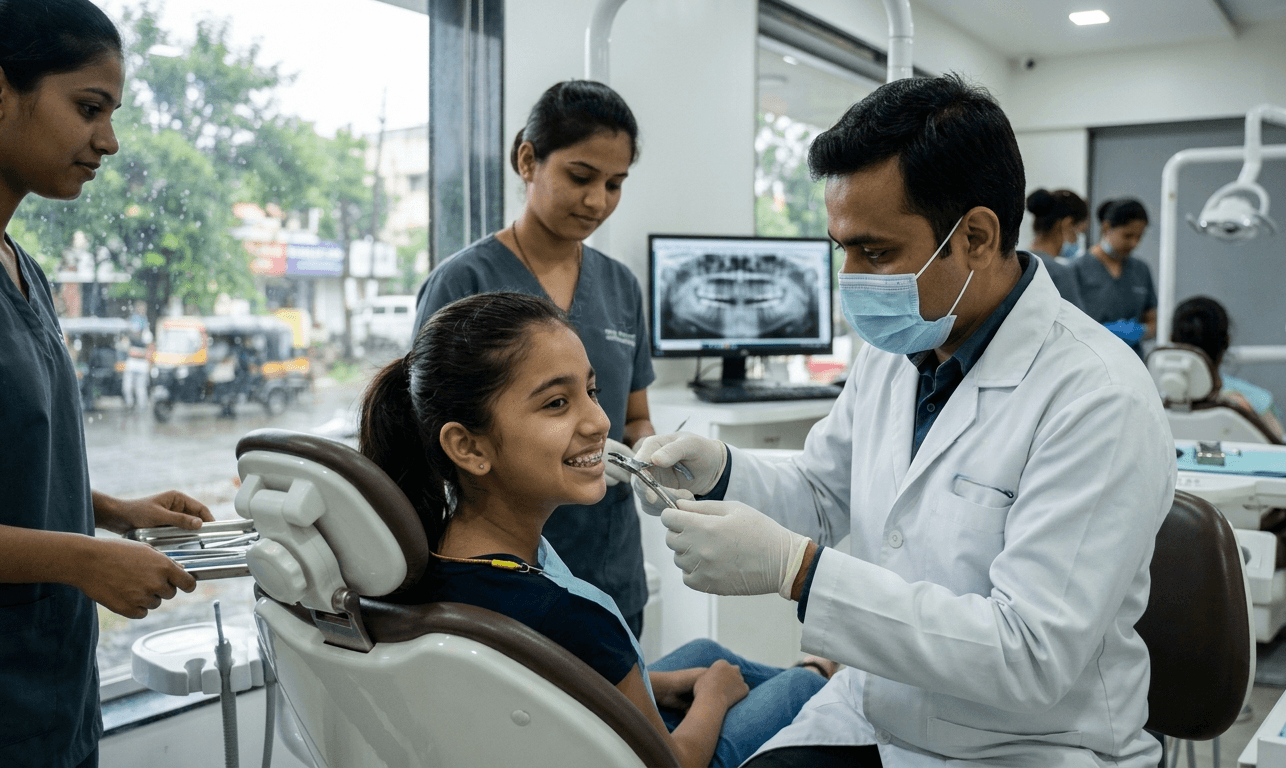
At DentAvenue, every treatment plan begins with detailed diagnosis and patient consultation.
Digital dental X-rays
Assessment of surrounding bone support
Evaluation of infection severity
Review of gum health
Analysis of bite function
Discussion of long-term treatment options
Step-by-Step Tooth Extraction Procedure
Understanding the extraction process often helps reduce patient anxiety.
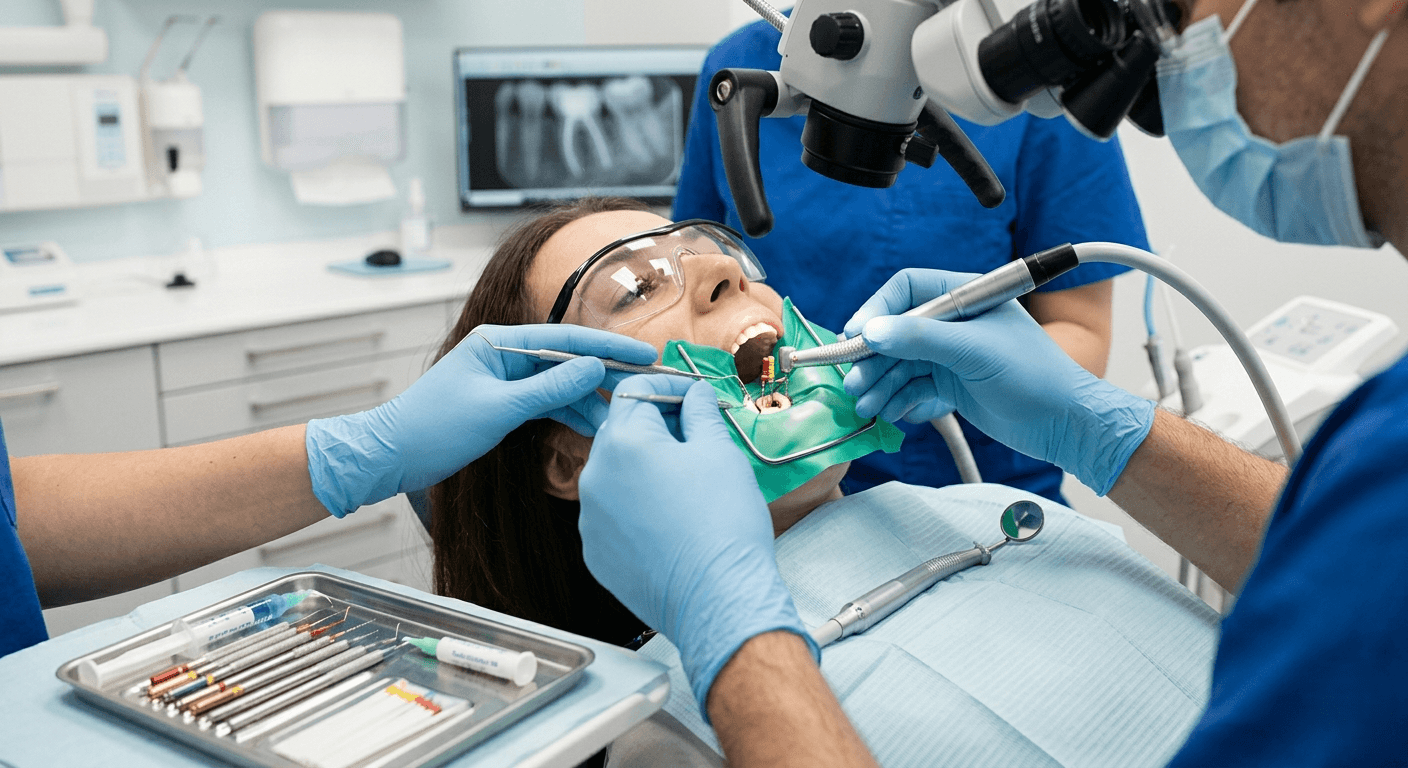
Comprehensive Examination: The dentist evaluates the tooth and surrounding structures.
Digital Imaging & Diagnosis: X-rays help assess roots, infection, and bone condition.
Local Anesthesia: The area is numbed to ensure comfortable treatment.
Tooth Removal: Simple or surgical extraction is performed carefully.
Cleaning the Socket: The area is disinfected and cleaned thoroughly.
Stitches if Needed: Surgical cases may require sutures for healing support.
Gauze Placement: Gauze helps control bleeding and stabilize clot formation.
What Happens After Tooth Extraction?
After the tooth is removed, the body immediately begins its natural healing process.
A protective blood clot forms inside the extraction socket. This clot is extremely important because it protects underlying bone and nerves while allowing the gums to heal gradually.
Protecting this clot is one of the most important parts of successful recovery.
Recovery Timeline After Tooth Extraction
First 24 Hours
Mild bleeding, swelling, and soreness are normal during the first day. Rest and careful aftercare are especially important during this period.
Days 2–3
Swelling may temporarily peak before gradually improving. Most patients notice steady recovery during this stage.
Days 4–7
The gum tissue begins healing more actively, discomfort reduces significantly, and daily activities usually return to normal.
1–2 Weeks
Most extraction sites heal substantially within one to two weeks, although deeper bone healing continues internally for longer.
Important Recovery & Aftercare Tips
Following proper aftercare helps reduce pain, prevent infection, and support faster healing.
Bite gently on gauze to control bleeding
Avoid smoking and tobacco use
Do not use drinking straws
Avoid aggressive rinsing or spitting
Eat soft foods during early recovery
Use cold compresses to reduce swelling
Maintain gentle oral hygiene
Take medications as prescribed
Foods Recommended After Tooth Extraction
Soup
Yogurt
Soft rice
Khichdi
Mashed potatoes
Smoothies
Scrambled eggs
Bananas
What Is Dry Socket?
Dry socket is a painful complication that occurs when the protective blood clot becomes dislodged too early.
This exposes the underlying bone and nerves, leading to severe pain and delayed healing.
Smoking, straw usage, forceful rinsing, and poor aftercare significantly increase the risk of dry socket.
Replacing Missing Teeth After Extraction
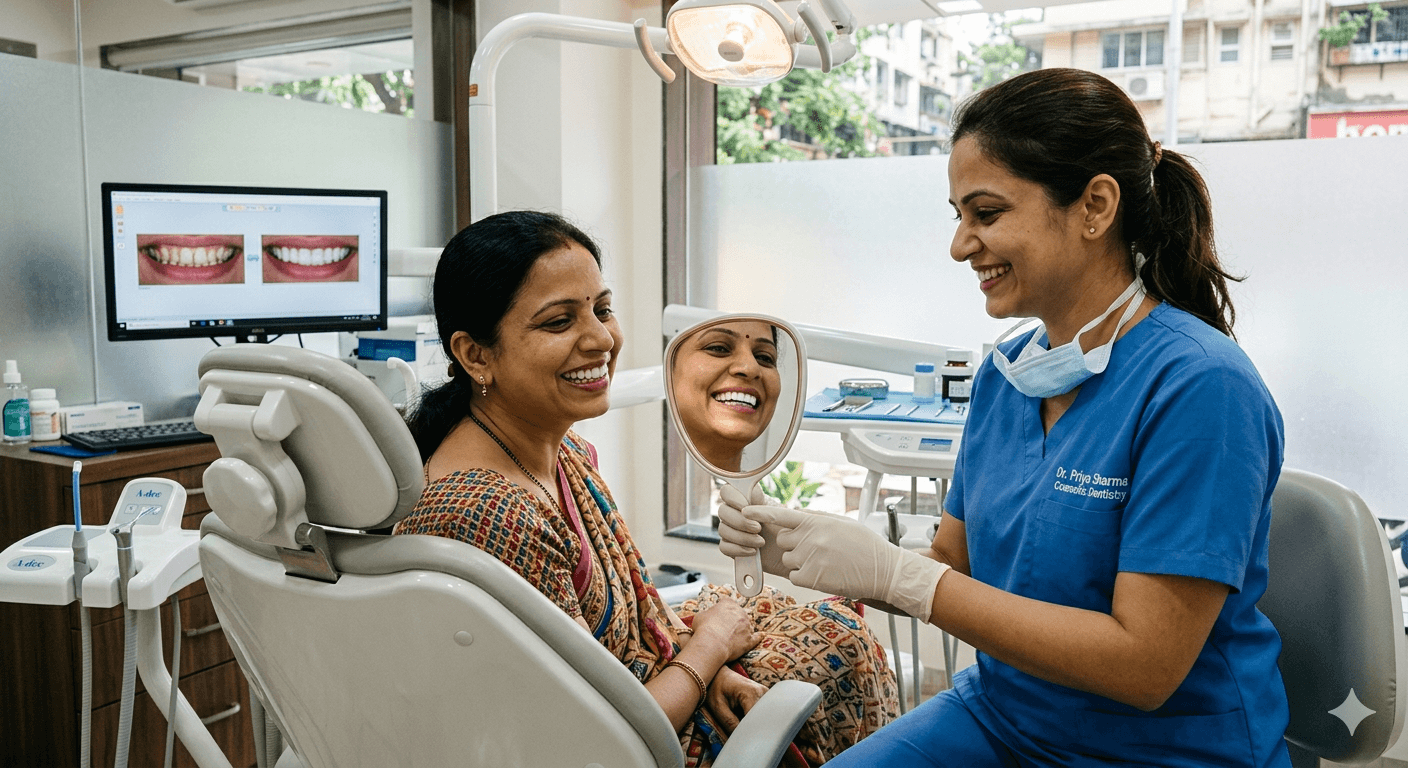
Replacing missing teeth helps maintain chewing efficiency, bite balance, jawbone health, and smile aesthetics.
Dental Implants
Dental Bridges
Partial Dentures
Full Mouth Rehabilitation
Your dentist will recommend the most suitable replacement option based on oral health, bone support, and long-term smile goals.
How to Reduce the Risk of Future Tooth Extractions
Strong preventive dental habits greatly reduce the likelihood of severe decay, infection, and gum disease.
Brush twice daily
Floss regularly
Visit the dentist every six months
Treat cavities early
Avoid excessive sugary foods
Wear mouthguards during sports
Maintain healthy gums
Why Patients Trust DentAvenue for Tooth Extraction in Chembur
At Dr. Akshay’s DentAvenue, patient comfort, safety, and long-term oral health remain our highest priorities. We understand that dental extractions often feel emotionally stressful, especially for anxious patients.
Led by Dr. Akshay Bandewar and Dr. Saudnya, our clinic combines advanced dental technology with minimally invasive techniques to provide comfortable and highly precise extraction procedures.
From wisdom tooth surgery and Root Canal Therapy to advanced Dental Implants and Full Mouth Rehabilitation, every treatment at DentAvenue begins with understanding your concerns and building personalized treatment plans.
Frequently Asked Questions
Conclusion
Tooth extraction is a safe and common dental procedure used to protect oral health when a tooth cannot be preserved successfully. Understanding the procedure, recovery process, and replacement options helps patients feel more informed and prepared for treatment.
At Dr. Akshay’s DentAvenue in Chembur, Mumbai, we combine advanced dental care with compassionate patient support to ensure every extraction procedure remains as comfortable and stress-free as possible.
If you are experiencing severe tooth pain, swelling, infection, or wisdom tooth discomfort, schedule a consultation with our team and allow us to help protect the future of your smile.