Why Does a Sip of Cold Water Suddenly Hurt So Much?
Many people experience a sudden sharp pain while drinking cold water, eating ice cream, sipping hot tea, or even breathing cold air. The discomfort may last only a few seconds, but it can quickly turn everyday moments into uncomfortable experiences.
This condition is commonly known as tooth sensitivity. While mild sensitivity may seem harmless initially, persistent or increasing discomfort often indicates that the protective layers of the teeth have become weakened or damaged.
At Dr. Akshay’s DentAvenue in Chembur, Mumbai, we frequently meet patients who ignore early sensitivity symptoms until eating, brushing, or drinking becomes consistently painful.
Understanding why tooth sensitivity develops—and how it can be treated—helps patients protect both their comfort and long-term oral health.
What Happens Inside Sensitive Teeth?
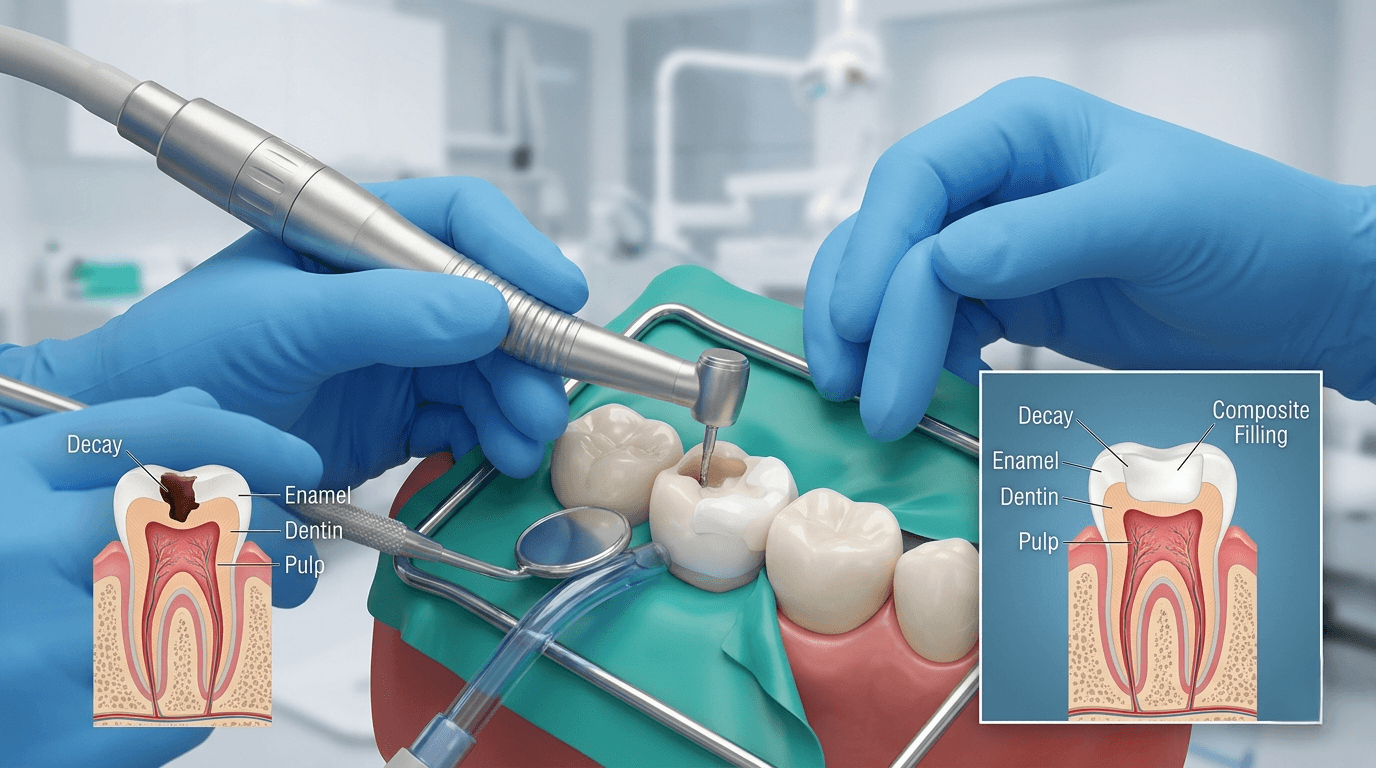
Teeth are naturally protected by a hard outer layer called enamel. Beneath the enamel lies dentin, a softer layer containing thousands of microscopic channels connected to the tooth nerve.
When enamel becomes thin or gums recede, dentin becomes exposed. Hot, cold, sweet, or acidic substances can then travel through these tiny channels and stimulate the nerve directly, causing sudden sharp pain.
Because dentin is far more sensitive than enamel, even mild temperature changes can trigger discomfort once the protective barrier weakens.
Common Causes of Tooth Sensitivity
Sensitive teeth can develop due to multiple lifestyle habits, dental conditions, or oral health problems.
Aggressive Brushing: Brushing too hard can gradually wear down enamel and irritate gums.
Acidic Foods & Drinks: Soft drinks, citrus fruits, sports beverages, and acidic foods weaken enamel over time.
Gum Recession: Receding gums expose the root surfaces, which are naturally more sensitive.
Teeth Grinding (Bruxism): Grinding during sleep slowly damages enamel and increases sensitivity.
Tooth Decay: Cavities expose deeper tooth layers and irritate the nerve.
Cracked Teeth: Tiny fractures allow temperature changes to reach the inner tooth.
Recent Dental Treatments: Whitening, fillings, or cleanings may temporarily increase sensitivity.
Worn Dental Fillings: Old restorations may leak and expose sensitive tooth structures.
Symptoms of Tooth Sensitivity
Sensitivity symptoms are often triggered by specific foods, temperatures, or daily activities.
Sharp pain while drinking cold water
Sensitivity to hot tea or coffee
Discomfort while eating sweets
Pain when brushing or flossing
Sensitivity during cold weather
Sudden discomfort while chewing
Brief but intense nerve-like pain
If these symptoms occur frequently or worsen over time, professional dental evaluation becomes important.
How Dentists Diagnose Tooth Sensitivity
Proper diagnosis is essential because tooth sensitivity may sometimes indicate deeper dental problems such as nerve infection or tooth fractures.
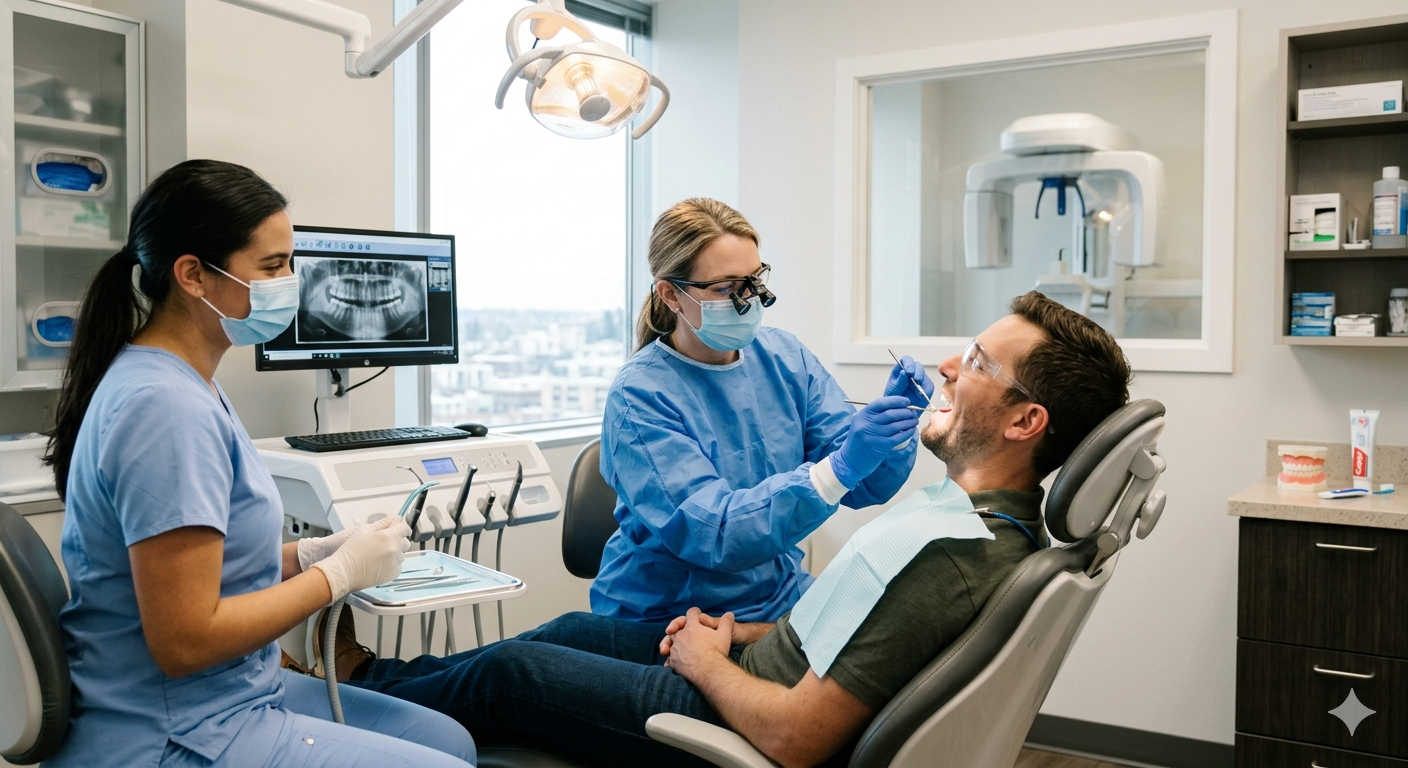
At DentAvenue, detailed evaluation helps identify the exact reason behind the discomfort before recommending treatment.
Checking for enamel wear
Examining gum recession
Evaluating for cavities or cracks
Reviewing brushing and dietary habits
Digital X-rays for hidden dental issues
Sensitivity and bite-pressure testing
Professional Treatments for Tooth Sensitivity
Treatment depends entirely on the underlying cause of the sensitivity.
Desensitizing Toothpaste
Special toothpaste helps block microscopic pathways leading to the tooth nerve, reducing discomfort over time.
Fluoride Treatment
Professional fluoride applications strengthen enamel and reduce sensitivity by protecting exposed dentin.
Dental Bonding
When roots or worn areas become exposed, dentists may apply protective resin material to cover sensitive surfaces.
Gum Treatment
If gum recession or gum disease causes sensitivity, periodontal treatment may be required to restore gum health.
Fillings or Crowns
Cavities, fractures, or damaged teeth may require restorations to protect the tooth and eliminate sensitivity.
Root Canal Treatment
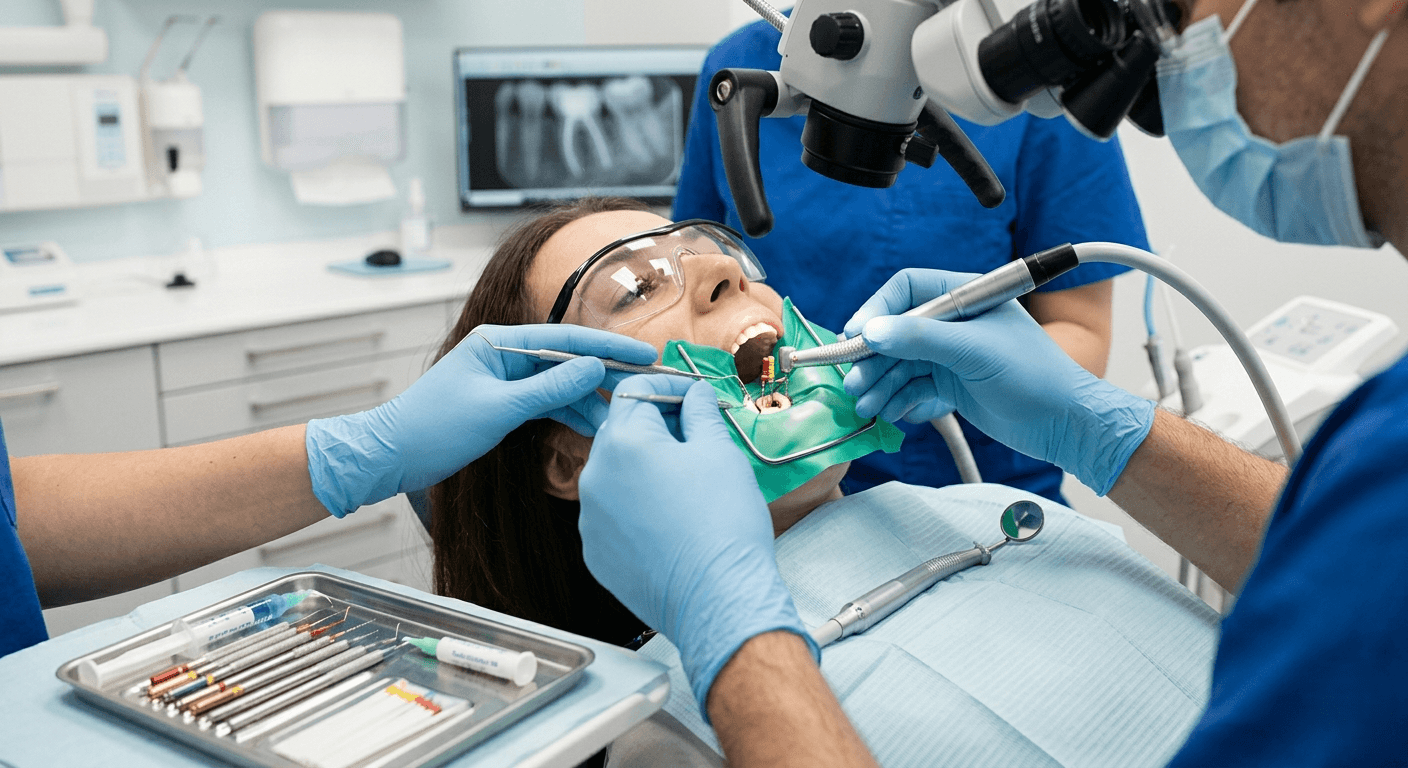
Severe nerve irritation or deep infection may require Root Canal Treatment to remove infected pulp tissue and relieve pain for the long-term.
Daily Habits That Help Prevent Sensitive Teeth
Simple daily habits play a major role in protecting enamel and reducing future sensitivity.
Use a soft-bristled toothbrush
Brush gently instead of scrubbing aggressively
Reduce acidic food and beverage intake
Use sensitivity-specific toothpaste
Avoid teeth grinding habits
Maintain regular dental checkups
Floss carefully every day
Stay hydrated to support oral health
Foods That Commonly Trigger Sensitivity
Certain foods and beverages frequently worsen sensitivity symptoms.
Ice-cold drinks
Hot tea and coffee
Sugary desserts
Carbonated beverages
Citrus fruits
Acidic juices
Very hot soups or foods
When Tooth Sensitivity Could Signal a Bigger Problem
Occasional mild sensitivity may not always indicate serious disease. However, persistent or severe sensitivity should never be ignored.
Deep tooth decay
Cracked tooth structure
Advanced gum disease
Nerve inflammation or infection
Worn fillings or restorations
Early treatment prevents these conditions from progressing into more serious and expensive dental problems.
Importance of Regular Dental Checkups
Routine dental visits help detect enamel wear, gum recession, cavities, and bite issues before they begin causing severe discomfort.
Professional cleanings also remove plaque and bacteria that contribute to gum disease and enamel damage.
Why Patients Trust DentAvenue for Sensitive Teeth Treatment in Chembur
At Dr. Akshay’s DentAvenue, we understand how frustrating and disruptive tooth sensitivity can become in daily life. Our approach focuses on identifying the root cause—not simply masking symptoms temporarily.
Led by Dr. Akshay Bandewar and Dr. Saudnya, DentAvenue combines modern diagnostic technology with compassionate patient care to provide long-lasting solutions for sensitive teeth and other dental concerns.
From preventive dentistry and smile care to advanced Root Canal Treatment and Full Mouth Rehabilitation, every treatment begins with listening to your concerns and understanding your story.
When Should You Visit a Dentist?
You should schedule a dental consultation if:
Sensitivity lasts for several days
Pain becomes stronger over time
Brushing becomes uncomfortable
Swelling or gum irritation develops
Hot and cold foods consistently trigger pain
The tooth hurts while chewing
Frequently Asked Questions
Conclusion
Tooth sensitivity is one of the most common dental problems affecting everyday comfort. While the pain may seem temporary initially, ongoing sensitivity often signals enamel wear, gum recession, decay, or deeper dental issues.
At Dr. Akshay’s DentAvenue in Chembur, Mumbai, we focus on early diagnosis, preventive care, and personalized treatment solutions that help patients regain comfortable, pain-free smiles.
If you experience sudden sharp pain while eating or drinking, schedule a consultation with our team and let us help protect the next chapter of your smile.