Persistent Bad Breath Can Affect Confidence & Oral Health
Bad breath, also known as halitosis, is one of the most common oral health problems affecting people of all age groups. While occasional bad breath after eating strong-smelling foods is normal, persistent mouth odor may indicate deeper dental or medical problems that should not be ignored.
Chronic bad breath can affect confidence, communication, relationships, and overall quality of life. The good news is that most cases are treatable with proper diagnosis, professional dental care, and healthy oral hygiene habits.
This complete guide explains the causes, symptoms, treatment options, and long-term prevention methods for maintaining fresh breath and better oral health.
What Is Bad Breath (Halitosis)?
Bad breath refers to an unpleasant smell coming from the mouth. In most cases, the odor is caused by bacteria that break down food particles and release sulfur compounds responsible for foul smells.
Bad breath may be temporary, persistent, mild, or severe depending on the underlying cause. While occasional mouth odor is common, persistent bad breath should never be ignored.
Common Signs & Symptoms of Bad Breath
Persistent unpleasant mouth odor
Dry mouth feeling
White coating on the tongue
Bitter or metallic taste
Bleeding gums
Sour smell while talking
Morning breath that continues throughout the day
Food particles stuck between teeth
Reduced confidence during conversations
Sometimes people may not realize they have bad breath until someone close points it out.
Major Causes of Bad Breath
Poor Oral Hygiene
Improper brushing and flossing allow food particles and plaque to remain inside the mouth. Bacteria feed on these particles and release foul-smelling gases.
Cavities
Gum disease
Plaque buildup
Tooth infections
Gum Disease & Bad Breath
Gingivitis and periodontitis are major causes of chronic bad breath. Bacteria trapped inside infected gums create strong unpleasant smells that brushing alone cannot remove.
Swollen gums
Bleeding during brushing
Gum sensitivity
Loose teeth
Persistent mouth odor
Tongue Bacteria & Tongue Coating
The tongue surface collects bacteria, food debris, and dead cells. A white-coated tongue is often a major source of bad breath.
Cleaning the tongue daily using a tongue scraper can significantly improve breath freshness.
Dry Mouth (Xerostomia)
Saliva naturally cleans the mouth and helps control bacteria. Reduced saliva flow allows bacteria to grow rapidly and worsen bad breath.
Dehydration
Smoking
Mouth breathing
Certain medications
Diabetes
Sleeping with an open mouth
Food Habits & Lifestyle Factors
Certain foods and habits can temporarily worsen breath odor.
Garlic
Onion
Coffee
Alcohol
Spicy foods
Tobacco products
Smoking not only causes bad breath but also increases the risk of gum disease and tooth loss.
Cavities & Dental Infections
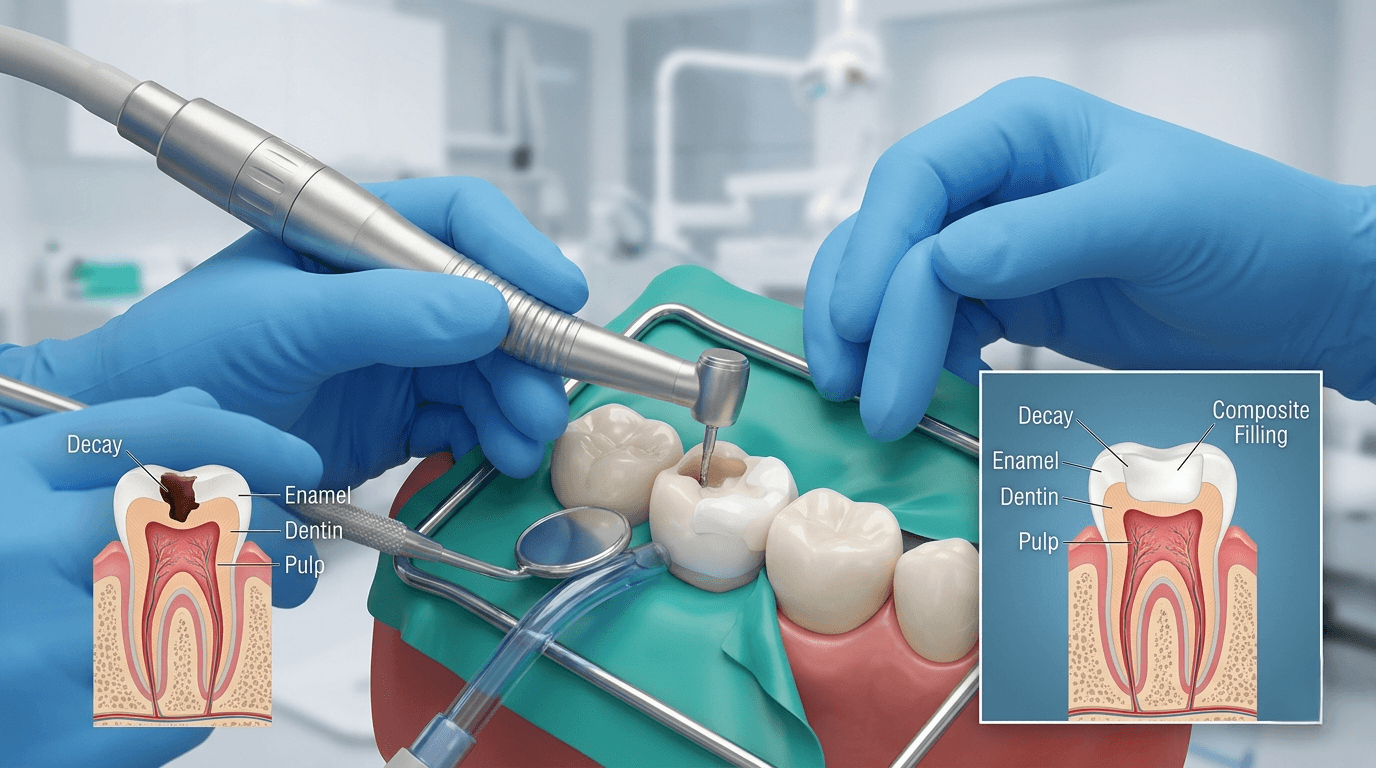
Tooth decay and infections create spaces where bacteria multiply, causing persistent bad smell, swelling, pain, and pus formation.
Untreated infections may spread and become serious over time.
Medical Conditions Linked to Bad Breath
In some cases, bad breath may be related to sinus infections, acid reflux, tonsil stones, respiratory infections, diabetes, liver disease, or kidney disorders.
If bad breath continues despite good oral hygiene, medical evaluation may be necessary.
How Dentists Diagnose Bad Breath
A dentist may examine teeth and gums, check for plaque buildup, identify cavities or infections, inspect tongue coating, evaluate gum health, and review medical history to identify the exact cause of chronic bad breath.
Professional Treatments for Bad Breath
Dental Cleaning & Plaque Removal
Professional scaling removes plaque, tartar, and bacteria buildup. This is one of the most effective treatments for persistent bad breath caused by poor oral hygiene.
Gum Disease Treatment
If gum disease is present, dentists may recommend deep cleaning, periodontal therapy, and antibacterial treatment to eliminate infection.
Treatment for Cavities & Tooth Infections
Depending on the condition, treatment may include fillings, root canal treatment, crowns, or tooth extraction for severely damaged teeth.
Importance of Tongue Cleaning
Daily tongue cleaning removes odor-causing bacteria and improves overall oral hygiene. Tongue scrapers are usually more effective than brushing the tongue alone.
Hydration & Saliva Support
Drinking enough water helps keep the mouth moist, reduce bacterial growth, and improve saliva flow naturally.
Sugar-free chewing gum may also help stimulate saliva production.
Home Remedies for Temporary Relief
Warm salt water rinse
Green tea
Clove chewing
Fennel seeds
Proper hydration
Brushing after meals
These remedies may temporarily freshen breath, but they do not replace professional dental treatment.
Long-Term Prevention Tips
Daily Oral Hygiene Routine
Brush twice daily using fluoride toothpaste and maintain proper oral care habits.
Importance of Flossing
Flossing removes food particles and plaque between teeth where brushes cannot reach.
Regular Dental Checkups
Routine dental visits every 6 months help prevent cavities, gum disease, oral infections, and plaque buildup.
Avoid Smoking & Tobacco
Tobacco products increase bacterial growth and worsen mouth odor.
Healthy Diet for Fresh Breath
A balanced diet with plenty of water, fruits, and vegetables supports better oral health and fresher breath.
When Should You Visit a Dentist?
Bad breath lasts for several weeks
Gums bleed regularly
You experience tooth pain
There is swelling or pus
Mouth feels constantly dry
Brushing does not improve the odor
Early treatment prevents complications and improves overall oral health.
Tips to Maintain Fresh Breath All Day
Brush after meals whenever possible
Carry sugar-free gum
Drink enough water
Avoid excessive coffee and alcohol
Clean your tongue daily
Do not skip dental checkups
Consistency is the key to maintaining long-term fresh breath.
Why Early Treatment Matters
Severe gum disease
Tooth loss
Dental infections
Reduced confidence
More expensive treatments later
Early diagnosis and treatment help protect both oral and overall health.
Frequently Asked Questions (FAQs)
Conclusion
Bad breath is more than just a social concern — it can be a warning sign of underlying oral health problems. Persistent mouth odor can affect confidence, relationships, and quality of life, but with proper diagnosis and treatment, it can usually be managed effectively.
Maintaining good oral hygiene, cleaning the tongue, staying hydrated, avoiding tobacco, and visiting your dentist regularly are the best ways to prevent bad breath long-term.
If you are struggling with chronic bad breath, consult a professional dental expert for personalized treatment and long-lasting relief.